

Goals
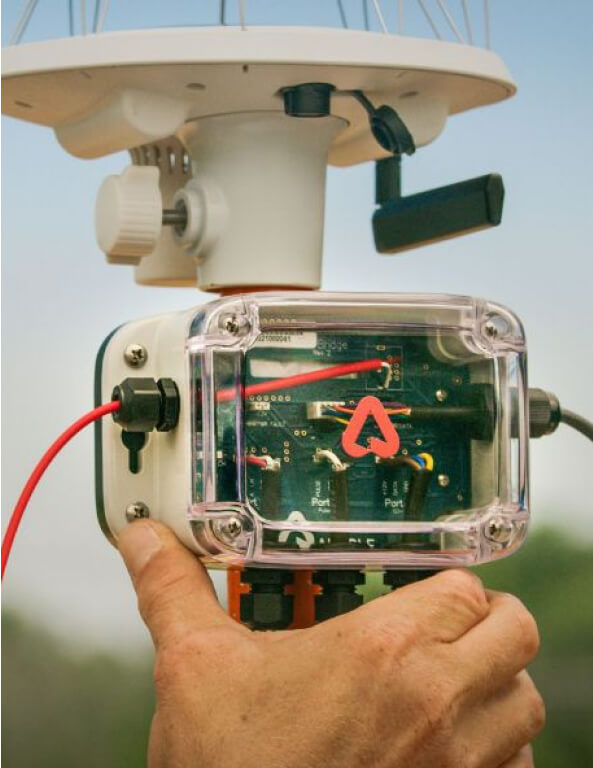
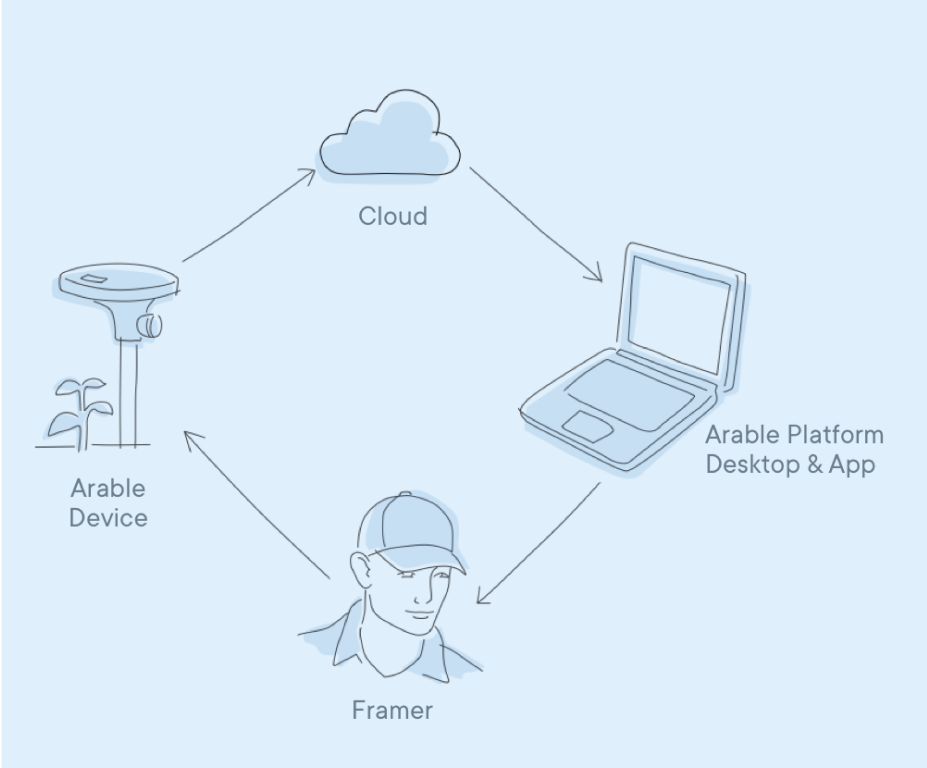
The mobile application must encompass the primary features of the desktop application while ensuring ease of navigation. Moreover, the app should allow for the seamless integration of new devices and support data collection from crop fields in real-time.
Ideation & iteration
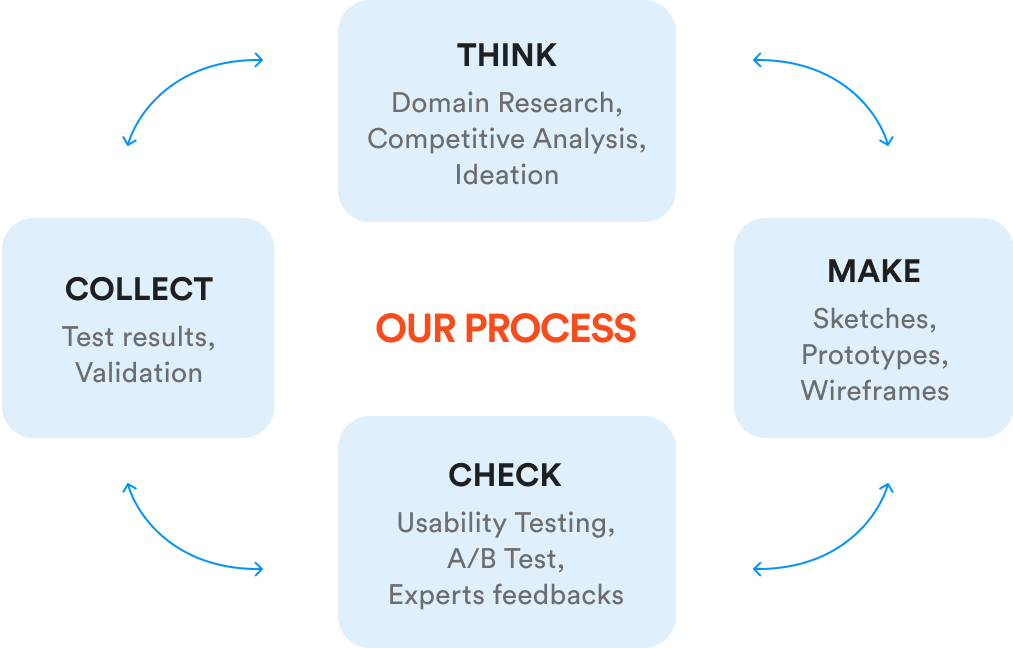
To meet the tight one-month deadline, we adopted the Lean UX process. This approach included weekly sprints where draft ideas and low-fidelity wireframes were presented, followed by rapid feedback from both the Arable team and farmers.
User flows
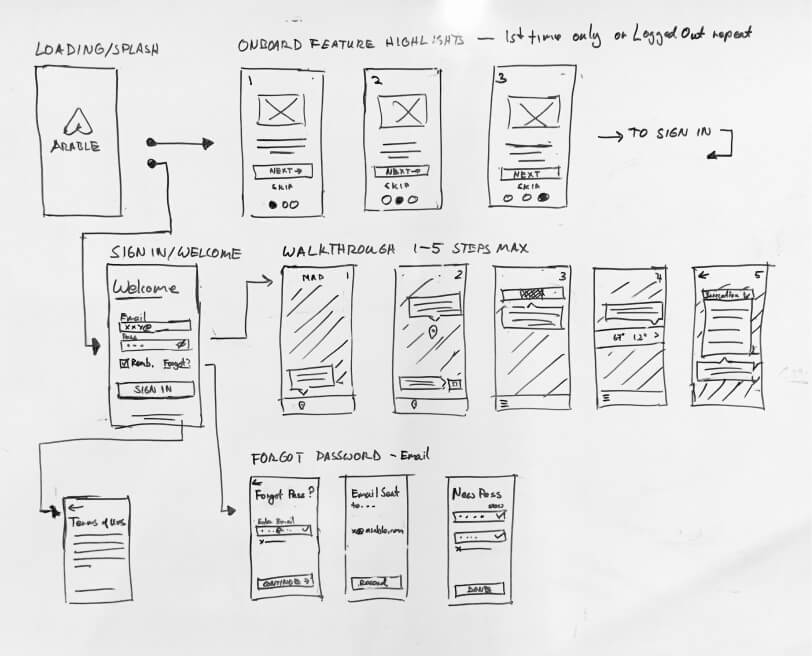
We efficiently generated user flow diagrams on paper and subsequently submitted them to the client and farmers for immediate feedback. The primary screens that we emphasized were the screen that tracks each Arable device's information and allows farmers to easily view the necessary device information on a mobile device.
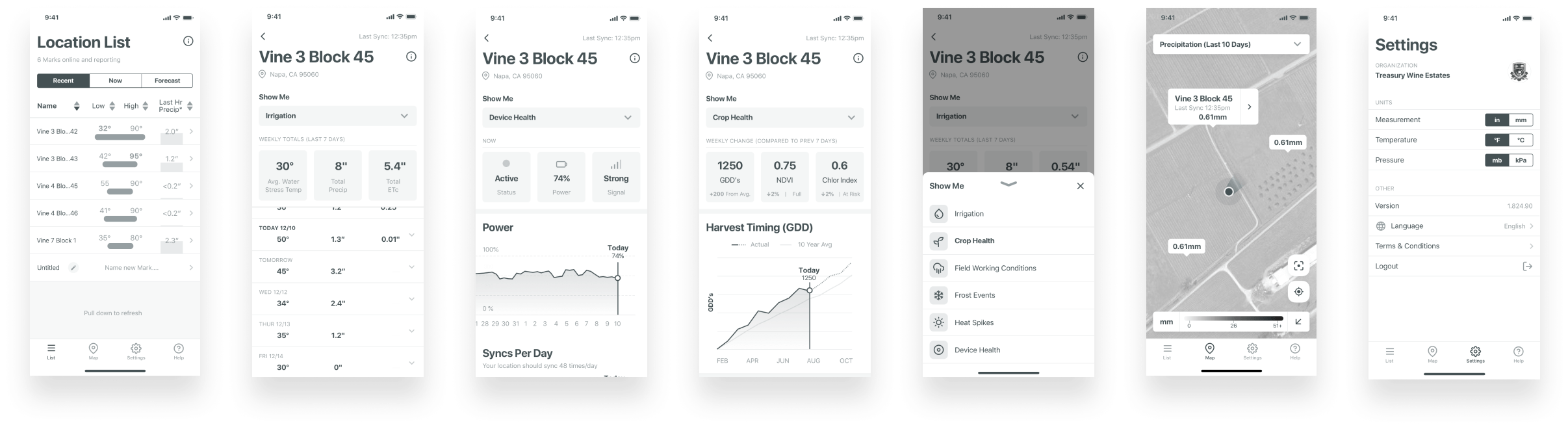
Low fidelity wireframes
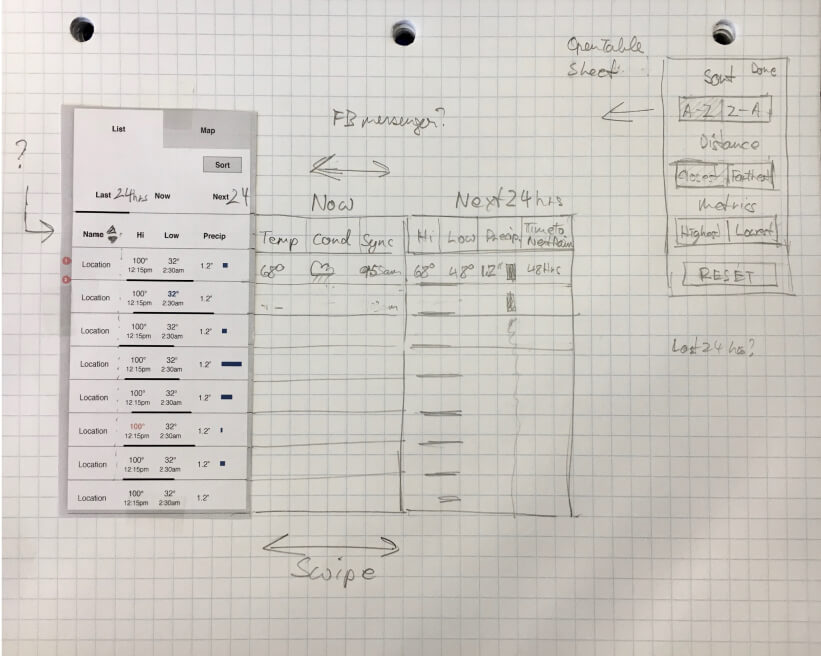
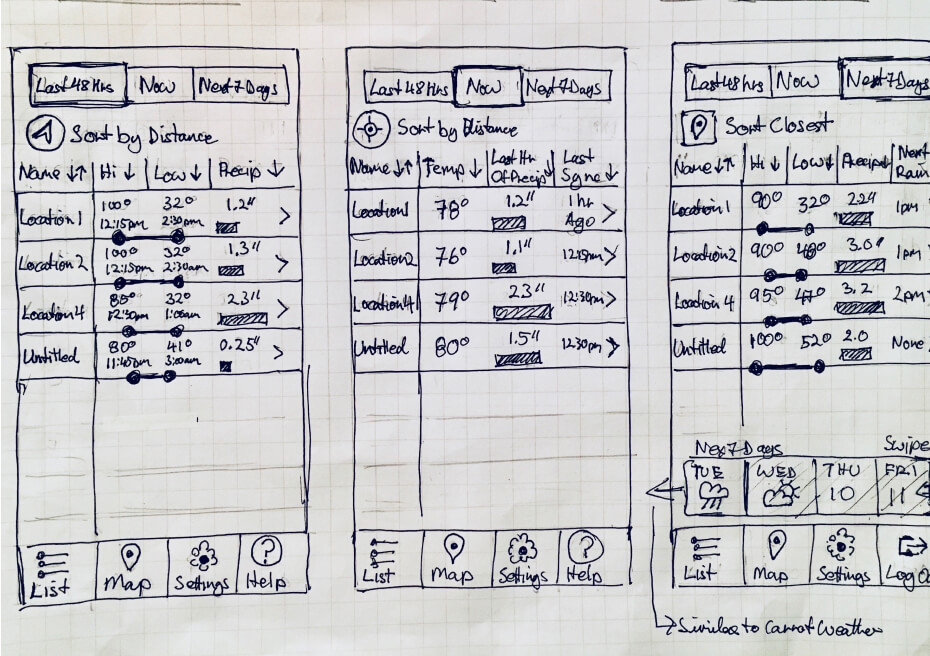
Upon finalizing the key features and flows, we promptly produced a low-fidelity wireframe and prototype to be sent to users for interaction and evaluation, in order to assess the level of ease of use and compatibility with the web app version.
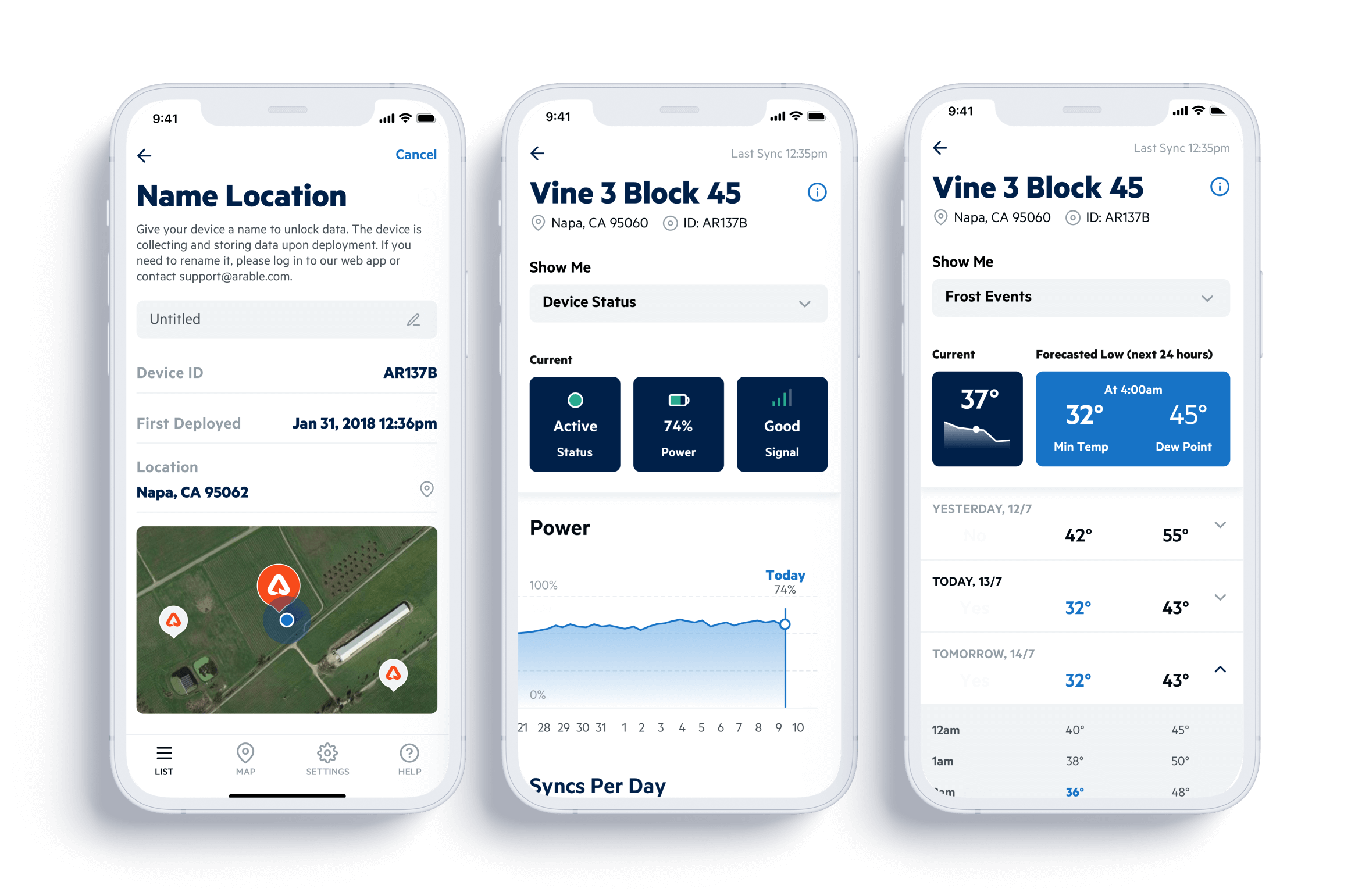
Final design
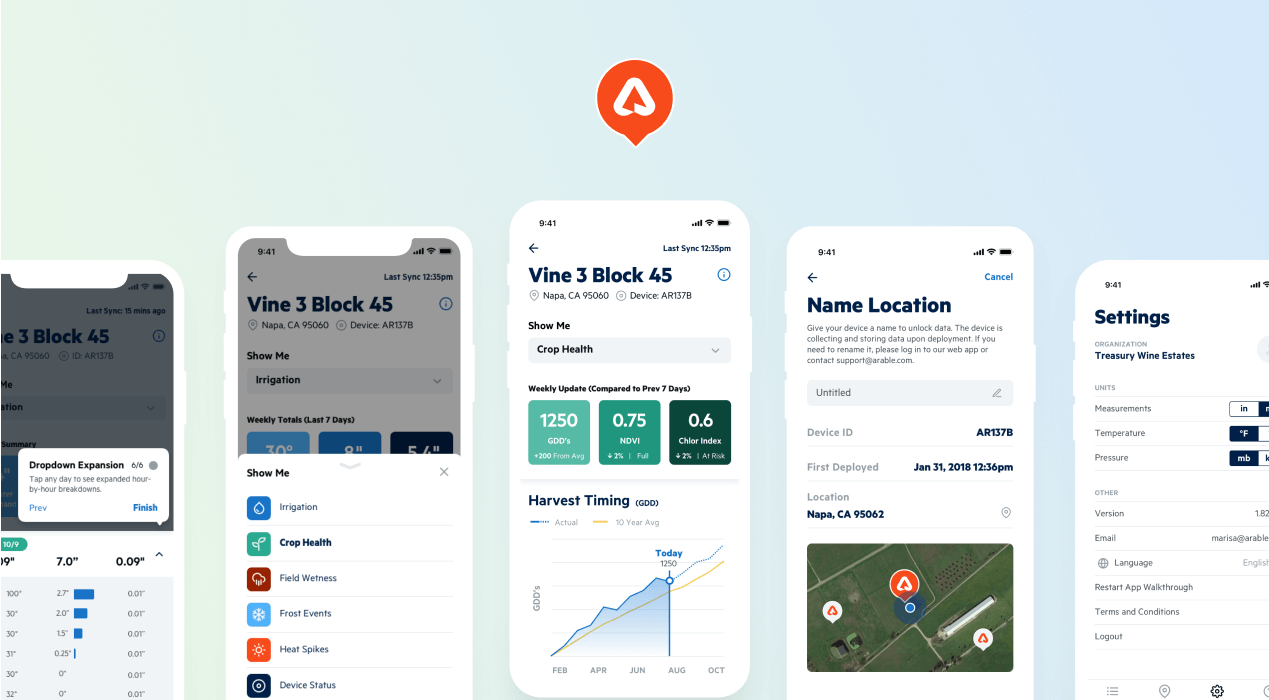
We concluded the structure and visual design of the app, emphasizing the most salient, simple, and useful information. The interface reflects the most crucial information, assisting the farmer in focusing on the elements that are most important for their crops.
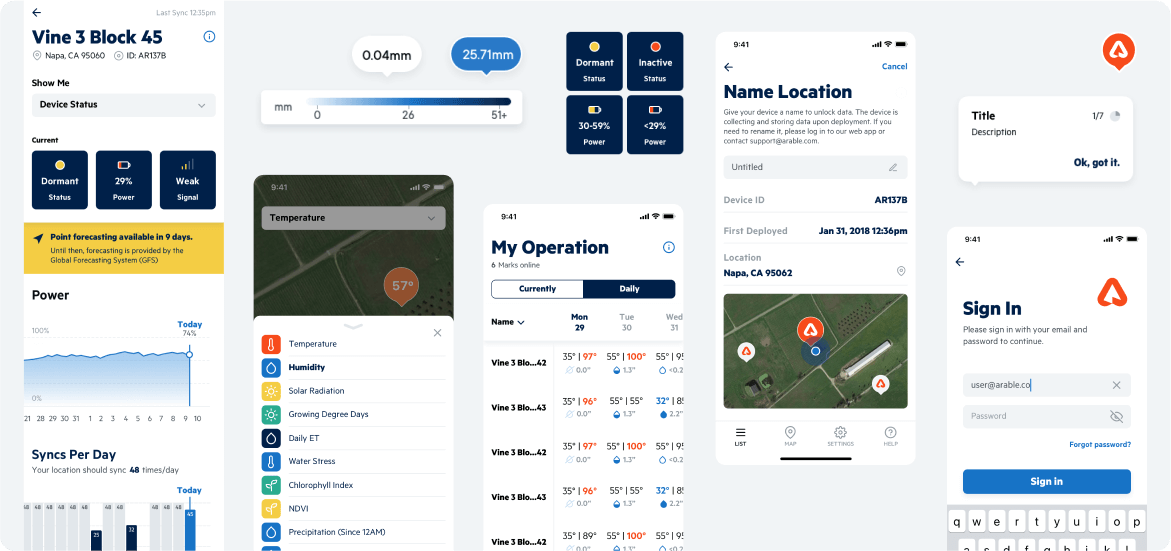
Core principles: Accessibility and Consistency
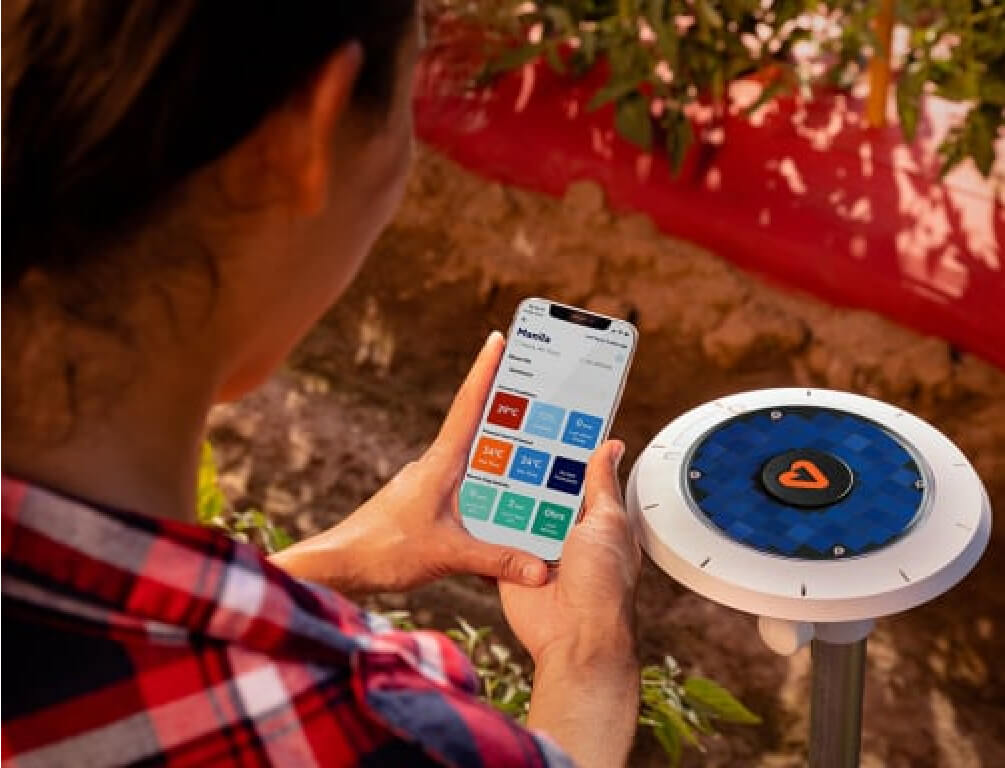
Given that farmers will likely be using the app in crop fields with high levels of sunlight, it is imperative to ensure that the text, color scheme, and charts are highly legible and clear. Also, It is crucial to maintain consistency in the design system of the mobile app with that of the desktop application, while prioritizing accessibility as a key consideration..
Other projects
 Elfie
Elfie Tolka
Tolka Grab
Grab Jitera